



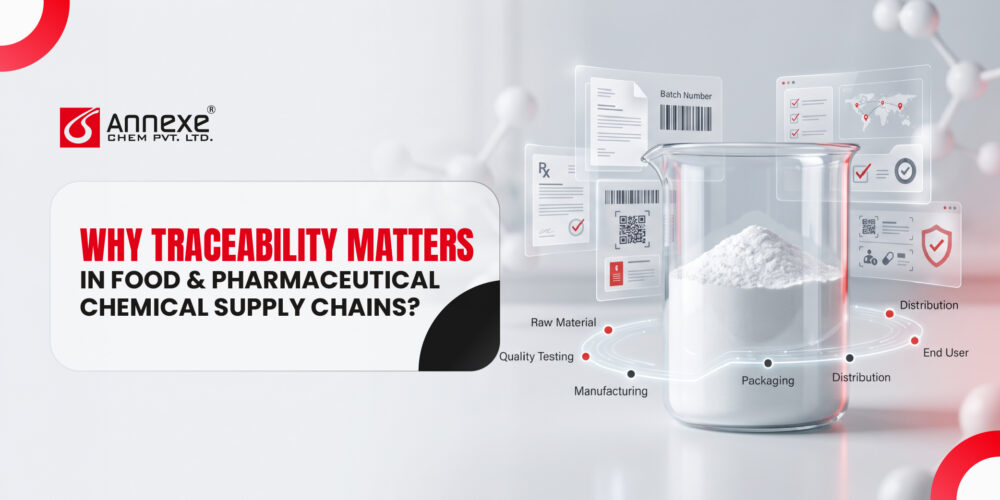
Imagine discovering a quality issue in a finished product, but having no way to identify where the problem started.
Was it the raw material?
The manufacturing batch?
The packaging process?
The supplier?
In industries like food and pharmaceuticals, uncertainty can lead to costly recalls, regulatory penalties, damaged reputations, and risks to consumer safety.
This is where traceability becomes essential.
Traceability is not just about documentation. It’s about creating a clear record of every material, process, and movement throughout the supply chain so businesses can act quickly, confidently, and responsibly when issues arise.
What Is Supply Chain Traceability?
In simple terms, supply chain traceability is the ability to track and trace a product’s journey from its source to its final destination.
For chemical manufacturers supplying the food and pharmaceutical industries, traceability creates a documented record of where materials come from, how they are processed, tested, stored, and delivered. It provides complete visibility into every stage of the supply chain, ensuring that critical information is readily available whenever needed.
Rather than relying on assumptions or fragmented records, traceability allows businesses to quickly identify the origin of a material, understand where it has been used, and determine whether any quality concerns may affect other products or batches.
This level of visibility is essential for maintaining product quality, meeting regulatory requirements, managing recalls efficiently, and building trust with customers who depend on consistent and reliable chemical supplies.
What Information Is Typically Tracked?
An effective traceability system captures detailed information throughout the product lifecycle, including:
- Raw Material Sources: Information about where ingredients or chemicals were sourced and from which supplier.
- Supplier Documentation: Certificates, specifications, and compliance records associated with each material.
- Batch and Lot Numbers: Unique identifiers that allow products to be tracked throughout manufacturing and distribution.
- Manufacturing Records: Details of production dates, processes, equipment used, and processing conditions.
- Quality Control Data: Laboratory testing results, inspections, and quality assurance records.
- Storage Conditions: Records of how materials were stored and handled before distribution.
- Packaging Information: Packaging dates, labeling details, and product identification codes.
- Distribution and Delivery Records: Information about where products were shipped and which customers received specific batches.
When all of this information is connected and easily accessible, businesses can respond more effectively to quality concerns, audits, regulatory inspections, and customer inquiries—turning traceability from a documentation exercise into a powerful risk management tool.
Why Traceability Is Critical in Food Chemical Supply Chains
Ensuring Consumer Safety: Food chemicals and additives play an important role in maintaining product quality, taste, texture, shelf life, and safety. Since these ingredients ultimately become part of products consumed by millions of people, even a minor quality issue can have widespread consequences. Without proper traceability, identifying the source of contamination or non-compliance can be a lengthy and complex process. A robust traceability system helps manufacturers quickly pinpoint affected materials, assess potential risks, and take corrective action before issues escalate further.
Faster Product Recalls: While every manufacturer strives to prevent quality incidents, recalls can still occur. When they do, speed is critical. Traceability enables businesses to identify exactly which batches are affected, where they were used, and which customers received them. Instead of recalling large volumes of products as a precaution, companies can focus on the specific batches involved. This targeted approach helps minimize operational disruptions, reduce recall costs, and limit the impact on brand reputation.
Regulatory Compliance: Food safety regulations continue to evolve as authorities place greater emphasis on transparency and consumer protection. Regulatory agencies increasingly expect manufacturers to maintain detailed records that demonstrate product quality and supply chain visibility. During inspections or audits, businesses must often provide documentation related to raw materials, production records, quality testing, and distribution history. Effective traceability systems make this information readily available, helping organizations maintain compliance and respond confidently to regulatory requirements.
Building Customer Trust: Food manufacturers rely on suppliers who can consistently deliver quality products while providing complete transparency regarding sourcing and production. Traceability demonstrates a supplier’s commitment to accountability, quality assurance, and risk management. When customers have confidence in the accuracy and accessibility of product information, it strengthens long-term business relationships and builds trust throughout the supply chain.

Why Traceability Is Essential in Pharmaceutical Chemical Supply Chains
Protecting Patient Safety: In the pharmaceutical industry, product quality directly impacts patient health and well-being. Pharmaceutical ingredients and excipients must meet stringent specifications to ensure safety, consistency, and effectiveness. Even small variations in raw materials, manufacturing processes, or handling procedures can affect the final product. Traceability helps manufacturers maintain control over every stage of production, ensuring that quality standards are consistently met and potential risks are identified early.
Supporting Regulatory Requirements: Pharmaceutical manufacturing operates within one of the most highly regulated environments in the world. Compliance with Good Manufacturing Practices (GMP) and other regulatory standards requires extensive documentation and process control. Traceability provides the records needed to demonstrate compliance, support regulatory submissions, and maintain audit readiness. By maintaining detailed documentation throughout the supply chain, organizations can streamline inspections and reduce compliance-related risks.
Batch Investigation and Root Cause Analysis: When quality deviations, test failures, or customer complaints occur, manufacturers need to determine the cause quickly and accurately. Traceability allows teams to track affected materials, review production records, and identify potential sources of the issue. This not only accelerates investigations but also helps organizations implement corrective actions and prevent similar problems from occurring in future batches. A strong traceability framework transforms quality investigations from a reactive exercise into a proactive quality management process.
Preventing Counterfeit and Unauthorized Materials: As pharmaceutical supply chains become more global and complex, the risk of counterfeit, adulterated, or unauthorized materials entering the market continues to be a concern. Traceability helps establish clear visibility throughout the supply chain by verifying supplier information, tracking material movement, and maintaining detailed batch histories. This transparency makes it easier to confirm product authenticity and reduces the risk of compromised materials being introduced into pharmaceutical manufacturing processes.
By strengthening supply chain integrity, traceability helps protect both manufacturers and the patients who depend on their products.
How Chemical Manufacturers Can Strengthen Traceability?
Strengthening traceability doesn’t always require a complete system overhaul. Small, consistent improvements can significantly enhance supply chain visibility and control.
- Standardize Documentation Processes: Ensure records are captured consistently across sourcing, manufacturing, testing, and distribution activities.
- Implement Batch and Lot Tracking: Assign unique identifiers to materials and products for accurate tracking throughout the supply chain.
- Digitize Record Management: Replace manual paperwork with digital systems to improve accuracy, accessibility, and data security.
- Maintain Detailed Quality Records: Keep comprehensive testing, inspection, and compliance documentation for every batch.
- Conduct Regular Internal Audits: Periodically review traceability processes to identify gaps and ensure data accuracy.
- Strengthen Supplier Verification: Work with trusted suppliers and maintain complete documentation of sourced materials.
- Train Teams on Traceability Practices: Ensure employees understand the importance of accurate record-keeping and compliance requirements.
By combining strong processes, reliable documentation, and a commitment to transparency, chemical manufacturers can build a traceability system that supports quality, compliance, and customer confidence.
In both food and pharmaceutical industries, traceability is far more than a regulatory checkbox. It enables faster responses to quality concerns, strengthens compliance efforts, protects consumers, and builds long-term trust across the supply chain.
As quality expectations continue to rise, businesses that prioritize traceability will be better positioned to manage risks, maintain consistency, and deliver products with confidence.
At Annexe Chem, quality and transparency are embedded throughout our manufacturing and supply processes. Our commitment to documentation, quality assurance, and batch-level traceability helps customers source chemicals with confidence.
Looking for a reliable chemical manufacturing partner? Contact Annexe Chem to learn more about our quality and compliance practices.
- What is traceability in the chemical supply chain?
Traceability in the chemical supply chain refers to the ability to track and trace raw materials, production processes, batch numbers, quality records, and product distribution throughout the supply chain. It helps manufacturers maintain quality control, improve transparency, and ensure regulatory compliance.
- Why is traceability important in food chemical manufacturing?
Traceability is critical in food chemical manufacturing because it helps ensure consumer safety, supports food safety compliance, and enables faster product recalls when quality issues occur. It allows manufacturers to quickly identify affected batches and minimize the impact of contamination incidents.
- How does traceability support pharmaceutical GMP compliance?
Traceability supports Good Manufacturing Practice (GMP) compliance by maintaining detailed documentation of raw materials, manufacturing activities, quality testing, and distribution records. These records help pharmaceutical companies demonstrate compliance during audits, inspections, and regulatory reviews.
- What information should be included in a traceability system?
A robust traceability system typically includes supplier information, raw material sourcing details, batch and lot numbers, manufacturing records, quality control test results, storage conditions, packaging information, and distribution history. This data provides complete visibility across the supply chain.
- How can chemical manufacturers improve supply chain traceability?
Chemical manufacturers can strengthen supply chain traceability by implementing batch tracking systems, digitizing records, standardizing documentation processes, conducting regular audits, and maintaining strong supplier verification practices. These measures improve product quality, compliance, and supply chain transparency.

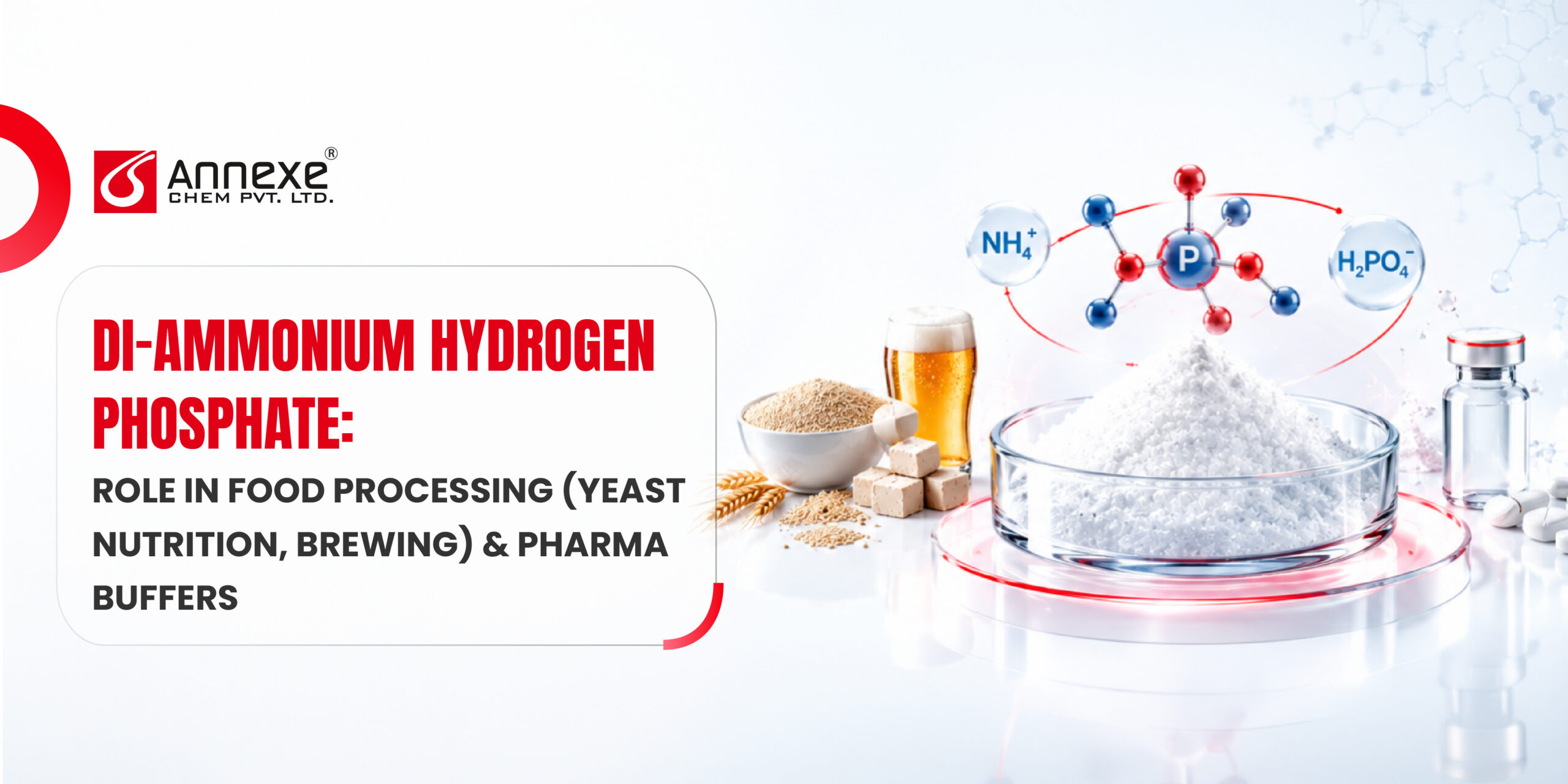
What do food processing, brewing, and pharmaceutical formulations have in common? The answer may be a.
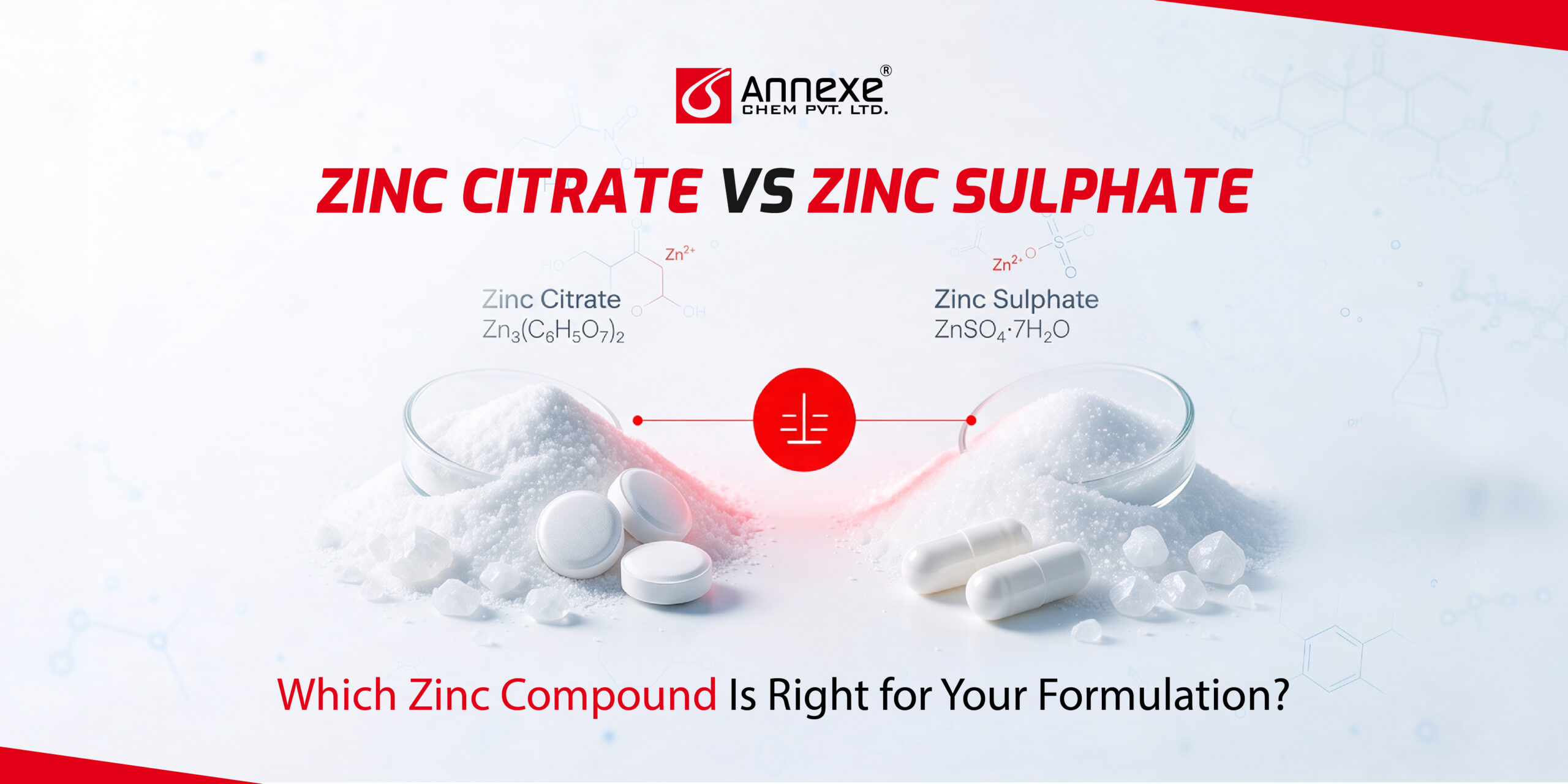
Zinc Citrate vs Zinc Sulphate: Which.
Not all zinc compounds behave the same way in a formulation. Zinc citrate and zinc sulphate.